
Apple’s touch-screen MacBook Pro to have Dynamic Island, new interface
The goal is to give users the controls that make the most sense based on whether they are touching or clicking
 Add BT as a preferred source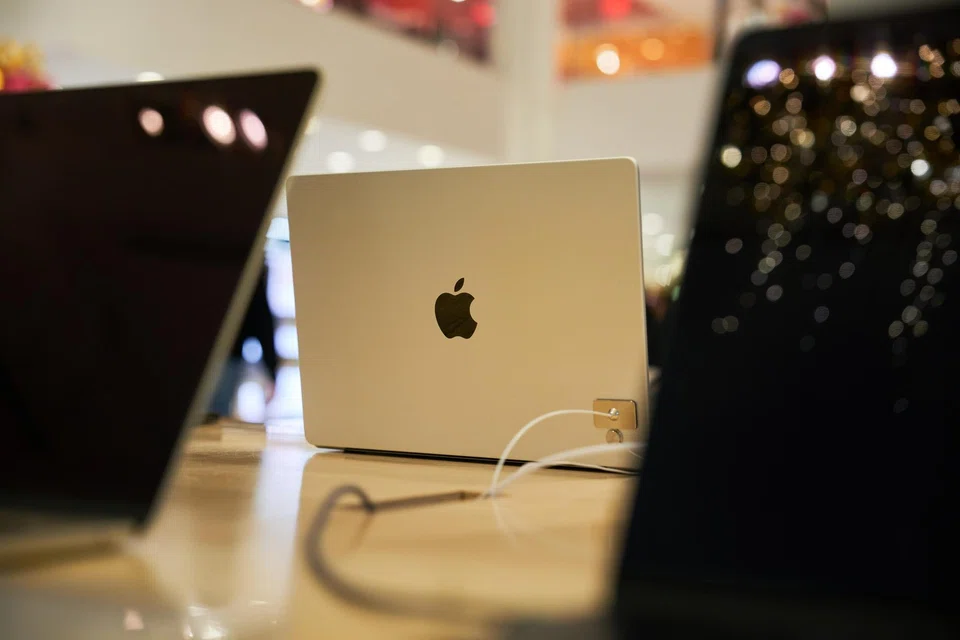
[LOS ANGELES] Apple’s long-awaited foray into touch-screen laptops will bring major changes to the Mac interface, including the addition of the iPhone’s Dynamic Island feature, according to sources familiar with the matter.
The company’s initial touch Macs, due this fall, will have the Dynamic Island at the centre top of the display, said the sources, who asked not to be identified because the plans are not public.
Apple is revamping its 14-inch and 16-inch MacBook Pro models to add the capabilities, giving them the same screen technology used on the iPhone: OLED, or organic light-emitting diode.
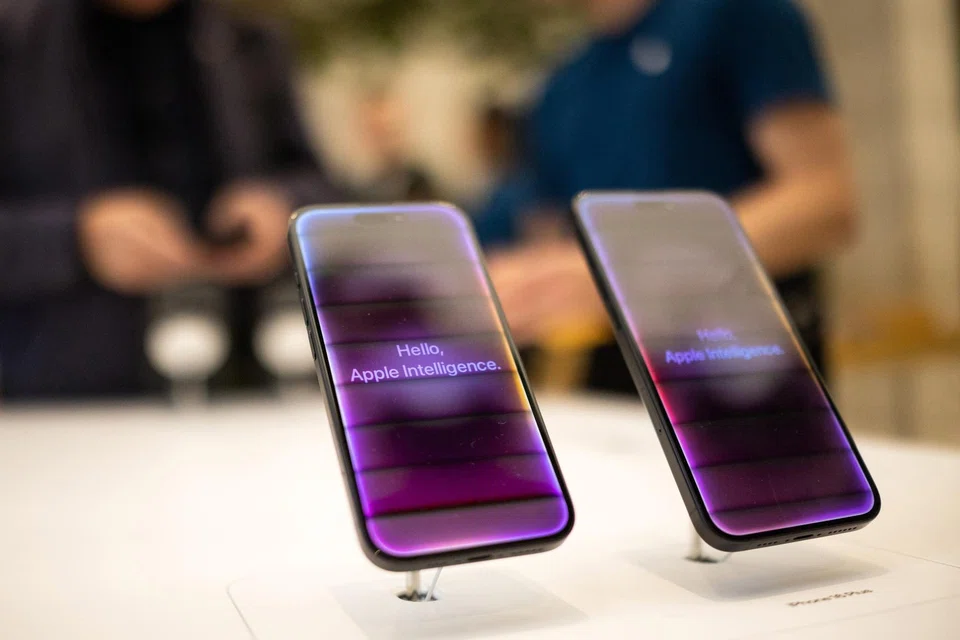
The Dynamic Island, an element in the screen that holds the camera lens and displays a software interface, was first introduced on the iPhone in 2022. It allows users to conveniently view alerts, sports scores and media controls. It can also work with third-party apps to, say, check the progress of a food-delivery order.
Apple is announcing new products, including Mac updates, during the first week of March, but the touch-screen MacBook Pros won’t be part of that rollout. Those models, code-named K114 and K116, are slated for release closer to the end of 2026.
A spokesperson for Cupertino, California-based Apple declined to comment on the company’s plans.
Navigate Asia in
a new global order
Get the insights delivered to your inbox.
Even with the new display, Apple won’t position the MacBook Pro as an iPad replacement – or describe its interface as a touch-first experience. Instead, the idea is to let customers use the touch input as much or as little as they’d like, and blend it with the familiar point-and-click approach.
To that end, the new MacBook Pro looks similar to the current model, including a full keyboard and large trackpad. Still, the Mac will gain a refreshed, dynamic user interface that can shift between being optimised for touch or point-and-click input, said the sources.
For instance, if users touch a button or control, the interface will bring up a new type of menu surrounding their finger that provides more relevant options for touch commands. The goal is to give users the controls that make the most sense based on whether they are touching or clicking.
SEE ALSO
The software will also display the most appropriate set of controls based on users’ prior interaction. And if a person taps an item in the menu bar at the top of the screen, the set of controls will enlarge to be more easily selectable with a finger.
Other popular features, like the menu for choosing emoji during text input, will also have a touch-optimised interface. But there won’t be a focus on touch-based typing like there is on the iPad.
The display on the MacBook Pro will have the same standard touch features as the iPhone and iPad, including fast scrolling and the ability to zoom in and out of images and PDFs.
One purpose of the Liquid Glass redesign last year in macOS Tahoe was to prepare for this year’s push into touch. The update includes more padding around some icons and notifications, as well as sliders in the control centre menu that look optimised for touch.
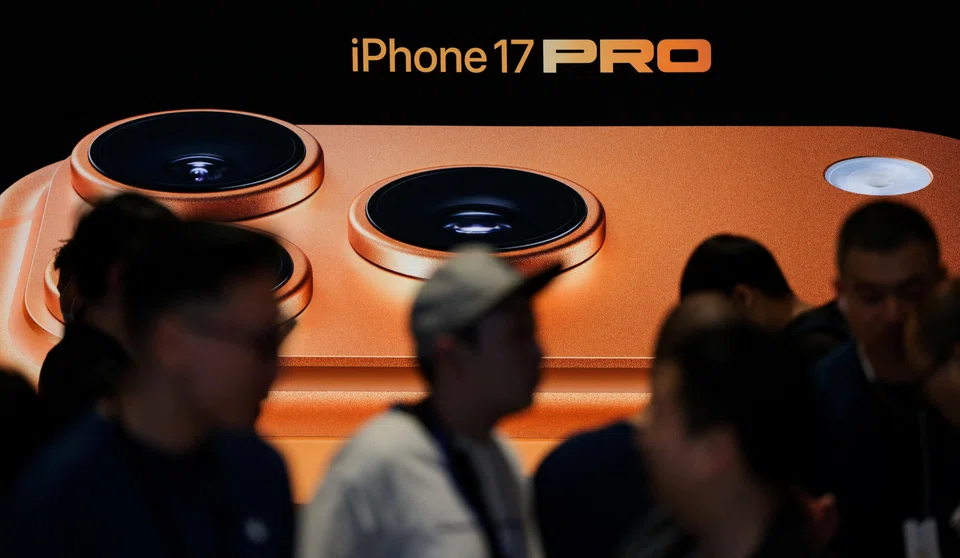
The Dynamic Island on the Mac will be built around a hole-punch-sized cutout for the computer’s camera. It’s smaller than the pill-shaped notch in current iPhones. Apple is also planning a redesigned Dynamic Island for the iPhone 18 Pro and 18 Pro Max this year that is smaller.
The touch-screen launch is a major shift for Apple, which for decades had criticised the idea of touch laptops. Co-founder Steve Jobs famously called such an experience “ergonomically terrible”.
In 2021, Apple hardware chief John Ternus told The Wall Street Journal that the company already makes the “best touch computer” with the iPad. The company has not “really felt a reason to change that”, he said.
But the landscape has shifted, with touch being standard on many Windows laptops. At the same time, Apple has unified more of the apps across its platforms, making it easier to bring touch to the Mac. The company also needs to entice Mac customers with new features beyond just adding speedier chips.
Bloomberg News first reported on the planned redesign in 2023. A few months earlier, Apple executives were asked if the company would finally change its tune, with software chief Craig Federighi quipping, “Who’s to say?” BLOOMBERG
Decoding Asia newsletter: your guide to navigating Asia in a new global order. Sign up here to get Decoding Asia newsletter. Delivered to your inbox. Free.
Share with us your feedback on BT's products and services

